


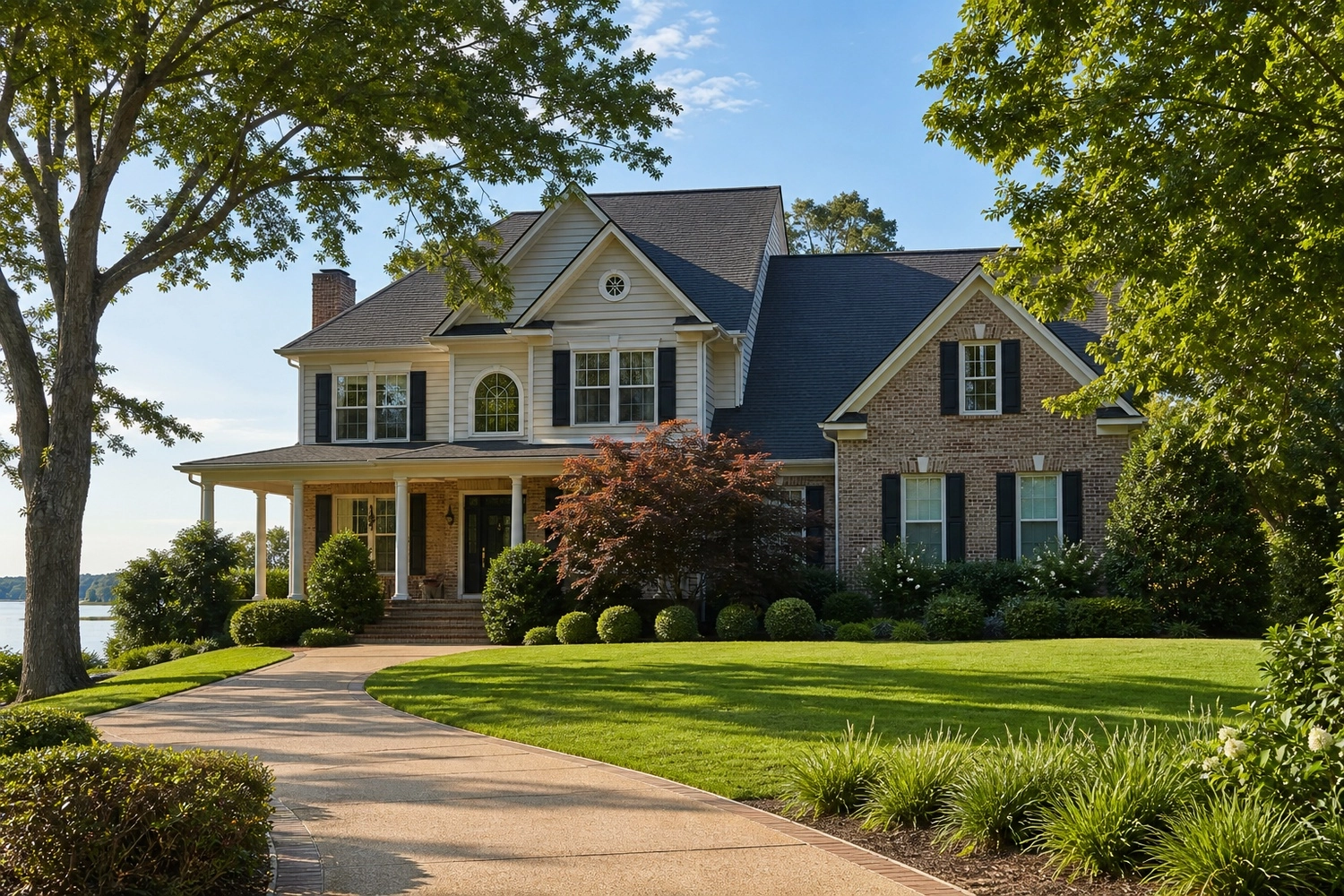
Hampton Roads sellers typically budget for three pre-list expense categories: staging (a discretionary marketing cost), a pre-listing home inspection (optional but strategic), and minor repairs or touch-ups. None are legally required, but each affects your final sale price, timeline, and negotiating position.
What should Hampton Roads sellers budget for staging, inspection, and prep?
Hampton Roads sellers generally face three pre-list expense categories: staging, a pre-listing home inspection, and minor repairs. None are legally required, but each one affects how your home shows, how buyers negotiate, and ultimately what you net at closing. In Great Neck specifically, where homes regularly trade in the $500K to $1M+ range and buyers arrive with high expectations and thorough inspectors, getting prep right matters more than in many other parts of the region. Local factors, coastal exposure, neighborhood price points, and buyer profiles, drive these decisions far more than any national average.
This is exactly the kind of planning conversation I have with every Great Neck seller before we go to market. Getting clear on these costs early means no surprises, and no last-minute scrambles that delay your listing.
The Three Buckets Every Hampton Roads Seller Should Plan For
Before we get into each category, here's the framework I use with my clients. Pre-list expenses are not the same as closing costs. Prep costs happen before or during your listing period. Closing costs are tied to settlement and recording. Mixing them up leads to budget confusion, and in Virginia, some closing-side fees are statute-driven while most prep costs are entirely discretionary. Keep them separate in your planning.
| Expense Category | Type | Timing | Required? |
|---|---|---|---|
| Staging | Marketing / discretionary | Before photos and listing go live | No |
| Pre-listing home inspection | Diagnostic / discretionary | Before repairs and staging | No |
| Minor repairs and touch-ups | Variable / condition-driven | After inspection, before staging | No (unless lender-required) |
Staging: A Marketing Cost, Not a Mandate
Staging is optional. I'll say that plainly because some sellers assume it's a standard line item on every sale. It isn't. But that doesn't mean it's irrelevant.
According to the National Association of REALTORS®, staged homes tend to sell faster and often for more than unstaged comparable properties. The gap narrows in a strong seller's market and widens when inventory rises, which is exactly why the decision to stage should be a strategic one, not a reflexive one.
In Hampton Roads, staging options range from a consultation-only approach (where a stager walks through and gives you a room-by-room action list) to a full vacant-home furnishing package. What makes sense depends on your price point, whether the home is occupied or vacant, and the condition of your existing furnishings. A lived-in home on one of Great Neck's interior streets with well-maintained furniture might need nothing more than a consultation and a deep clean. A vacant waterfront or water-view property in Alanton or Great Neck Point, where buyers are comparing your home against others at a higher price point, is a different conversation entirely. At those price points, staging is less about filling space and more about matching the lifestyle expectation buyers bring to the showing.
For the most current data on how staging affects sale outcomes, the NAR's Profile of Home Staging is the benchmark report I reference with clients. The specific cost you'll pay to a Hampton Roads staging company is a service-market quote, not a number I'll publish here without a verified local source, but I can walk you through what makes sense for your home specifically.
Pre-Listing Home Inspection: The Move Most Sellers Underestimate
A pre-listing inspection is one of the highest-leverage decisions a seller can make, and it's consistently underused. Here's why I recommend it to most of my Hampton Roads sellers.
When a buyer's inspector finds a problem, you're negotiating from a reactive position. The buyer has leverage, the timeline is compressed, and the repair credit they ask for is almost always higher than what the repair would have actually cost you. A pre-listing inspection flips that dynamic. You find the issues first, you decide whether to fix them, disclose them, or price accordingly, and you do it on your schedule, not under contract pressure.
In Virginia, a pre-listing inspection is not a legal requirement for most residential sales. The Virginia Real Estate Board, which operates under the Virginia Department of Professional and Occupational Regulation, governs disclosure requirements for agents and sellers, but the decision to hire an inspector before listing is yours, not a mandate.
What makes this especially important in Great Neck is the specific coastal environment here. Moisture intrusion, crawlspace humidity, roof wear from wind and salt exposure, and HVAC corrosion are recurring issues throughout Hampton Roads, but Great Neck's tidal streets, proximity to the Lynnhaven River and Broad Bay, and the age of much of its housing stock make these findings more common than in inland neighborhoods. A buyer's inspector working a Great Neck listing is going to look hard at those systems. I'd rather my sellers know what's there before the buyer does.
The right sequence is: inspection first, then repairs, then staging and photography. That order matters. Don't stage a home and then find out you need to pull up flooring to address a moisture issue.
Repairs and Touch-Ups: The Most Variable Line Item
This is where budgeting gets genuinely difficult, and where I see sellers most often caught off guard. Minor repairs are not a fixed cost, they depend entirely on your home's age, condition, coastal exposure, and what the inspection turns up.
In Great Neck, the repair categories I see come up most often before listing include:
- Roof condition, wind and salt exposure accelerates wear; even a roof with years of life left may show surface damage that flags on inspection
- HVAC systems, coastal humidity shortens equipment life; an aging system is a common buyer objection
- Crawlspace moisture, vapor barriers, standing water, and wood rot are recurring findings in Hampton Roads homes, especially in older neighborhoods
- Cosmetic updates, fresh paint, updated fixtures, and refinished floors are lower-cost, high-impact items that consistently improve buyer perception
- Deferred maintenance, caulking, weatherstripping, gutters, and minor trim repairs that buyers notice and use as negotiating points
If your home is in one of Great Neck's flood-prone or waterfront areas, which includes a meaningful portion of the neighborhood's most desirable streets, prep may also include documentation of any prior moisture mitigation work. That's not a legal mandate, but it's a practical step that protects you in the disclosure process and builds buyer confidence.
For accurate repair estimates, you need quotes from licensed Virginia Beach contractors and inspectors who know Great Neck, not national averages. Costs vary by property age, permit scope, and the specific condition of your home. I maintain a short list of vetted local professionals I refer my clients to, and I'm happy to share it.
One distinction worth making: most prep repairs are discretionary. Lender-required repairs are a different category. If a buyer is using FHA or VA financing, certain property conditions can trigger required repairs as a condition of loan approval, and those aren't optional once you're under contract. That's another reason to know your home's condition before you list, not after.
How to Think About ROI on Prep Spending
Not every dollar spent on prep comes back to you at closing. Some repairs are necessary just to get to the table. Others genuinely move your sale price or compress your days on market. The goal is to spend strategically, not exhaustively.
Here's how I frame it with my Great Neck sellers: the question isn't "what should I fix?" The question is "what will a buyer use against me, and what's it worth to neutralize that?" A $400 inspection that reveals a $1,200 crawlspace repair is money well spent if it prevents a $4,000 credit negotiation under contract. A full kitchen renovation before listing is almost never worth it, even at Great Neck's higher price points, because buyers at this level have their own vision for finishes and rarely pay a premium for someone else's renovation choices.
The NAR Remodeling Impact Report tracks cost-versus-value for common home improvements, and it's a useful reference, but local market conditions always override national averages. What recovers well on a Great Neck waterfront street may not on an interior lot two blocks away. That's a conversation that requires a neighborhood-level market analysis, not a spreadsheet.
Your specific prep budget depends on your home's condition, your price point, and your timeline. The only way to get a number that actually means something is to walk through it with someone who knows this market. That's what I do before every listing I take on.
Frequently Asked Questions
How much should a Hampton Roads seller budget for staging before listing?
Staging costs vary widely depending on whether your home is occupied or vacant, your price point, and what level of service you choose, from a one-time consultation to a full furnishing package. Because staging is a discretionary marketing expense with no fixed rate, the right answer comes from quotes by local Hampton Roads staging companies. I walk every seller through whether staging makes strategic sense for their specific home before we make any decisions.
Is a pre-listing home inspection worth it in Hampton Roads?
For most Hampton Roads sellers, yes. A pre-listing inspection lets you find issues before a buyer's inspector does, so you can decide whether to repair, disclose, or price accordingly, from a position of control rather than under contract pressure. In a coastal market with moisture, roof, and HVAC risk factors, the information is almost always worth the cost of the inspection.
What repairs should I do before selling a house in Virginia?
There's no statutory list, it depends on your home's condition and what a buyer's inspector is likely to flag. In Hampton Roads, the most common pre-list repair categories are roof condition, HVAC systems, crawlspace moisture, and deferred maintenance items like caulking, gutters, and trim. Cosmetic updates, fresh paint, clean fixtures, tend to have strong buyer impact at relatively low cost. A pre-listing inspection is the most reliable way to know where to focus your dollars.
Who usually pays the Virginia recordation and transfer taxes?
Virginia imposes a grantor's tax and a state recordation tax framework on real estate transactions, and the Virginia Department of Taxation is the authoritative source for the statutory structure. In practice, who pays what is commonly negotiated between the parties and should be confirmed in your specific contract. Don't assume a default, review it with your agent and closing attorney.
Should I get a roof or HVAC inspection before listing my house in Hampton Roads?
If your roof is more than 10-12 years old or your HVAC system is aging, a targeted inspection of those systems before listing is worth considering. Both are high-scrutiny items for buyers and their inspectors in Hampton Roads, and both are affected by the coastal environment. Knowing their condition ahead of time lets you address issues proactively or price and disclose accordingly, rather than renegotiating under contract.
Are seller closing costs negotiable in Virginia?
Some are, some aren't. Government recording fees and statutory taxes are set by law and aren't negotiable. Many other closing-side costs, including certain transfer-related fees, are commonly negotiated between buyer and seller and should be reviewed in your specific contract. The Virginia Department of Professional and Occupational Regulation oversees real estate licensing and disclosure requirements, but for the specifics of your closing statement, your closing attorney or settlement agent is the right resource.
The Bottom Line
Pre-list prep is where sellers either set themselves up for a clean, well-positioned sale, or spend the next 60 days reacting to buyer objections they could have seen coming. Staging, inspection, and repairs are all discretionary, but the decision of whether and how much to spend on each one is strategic. Get it right and you go to market with confidence. Get it wrong and you're negotiating from behind.
I build a prep plan for every seller I work with before we ever talk about a list date. If you're thinking about selling a home in Great Neck, Alanton, Great Neck Point, or the surrounding Virginia Beach coastal communities, let's start there. Call me at 757-502-5077 or grab the Great Neck Insider Report to get a feel for what the local market looks like right now.
Equal Housing Opportunity. Andrew Christie, Virginia Real Estate License #0225199734, licensed by the Virginia Department of Professional and Occupational Regulation (DPOR). Brokerage: Atlantic Sotheby's International Realty. This article is general information only and does not constitute legal, tax, or financial advice. Confirm your specific costs and obligations with your attorney, tax advisor, lender, or settlement/closing officer.